Tired of family dinners turning into forgotten workout promises? This simple tool keeps us all on track
We’ve all been there—sitting around the table, full of good intentions: “Let’s start walking together!” or “This week, we’re all drinking more water!” But by Wednesday, no one remembers who said what. Motivation fades, habits slip, and those well-meaning plans vanish. What if, instead of relying on memory or sticky notes, your family could see progress in real time? I discovered an unexpected solution that turned our dinner table talk into real change—using something I once thought was just for work meetings.
The Broken Cycle of Family Health Goals
How many times have we gathered around the dinner table, feeling inspired and ready to make a change? One of my kids will say, “I’m going to do 20 jumping jacks every morning!” My husband adds, “And I’ll stretch before bed.” I chime in with, “I’m cutting back on late-night snacks.” We all nod like this is the week it finally sticks. But by Thursday, no one’s done a single push-up. The water bottles are still empty. The stretching? Forgotten. It’s not that we don’t care. We do. But caring isn’t enough when life gets busy, and no one is keeping track.
That’s the problem with verbal promises—they disappear as fast as the dinner dishes. I used to try paper charts on the fridge, with little stars for each day someone exercised or drank enough water. But after a few days, the stars stopped appearing. The kids forgot to check in. I forgot to remind them. And honestly, after a long day of work, school, and cooking, who wants to play referee? The chart just became background noise, another well-meaning idea that didn’t survive real life.
There’s a real emotional gap between wanting to be healthier as a family and actually doing it. We want to move more, eat better, and feel stronger—but we don’t want it to feel like a chore. We don’t want nagging or guilt. We want connection, encouragement, and a little fun. But without a system that keeps everyone involved and aware, even the best intentions fall apart. And that’s frustrating. It makes you wonder, “Why can’t we just stick with something simple?”
How Online Whiteboards Sneak Into Everyday Life
A few months ago, I was on a video call for work, and my colleague shared her screen to show a project update. On her screen was a colorful online whiteboard—little sticky notes, progress bars, and checkmarks all organized in neat sections. I thought, “That’s so cool,” and then immediately dismissed it as something only for teams and deadlines. But later that night, as we sat at dinner making yet another round of health promises, it hit me: What if we used something like that at home?
I started looking into online whiteboard apps—digital spaces where you can write, draw, drag things around, and see updates in real time. They’re designed for collaboration, which means everyone in the family can access the same board from their phone, tablet, or laptop. No more lost papers. No more “I didn’t know I was supposed to do that.” And the best part? It’s visual. You don’t have to read a list or remember a conversation. You just look at the board and instantly see who’s on track and who might need a little encouragement.
I tested it with something small first—our weekly grocery list. Instead of texting back and forth or scribbling on a notepad, we made a shared board with sections for produce, snacks, breakfast, and household items. The kids loved adding emojis next to their favorite foods. My husband moved items around as he checked them off at the store. It was simple, but it worked. And that’s when I realized: if this could organize groceries, maybe it could organize our health goals too.
From Work Meetings to Family Routines
The first time I brought up using a whiteboard for our exercise goals, my family looked at me like I was suggesting we do tax returns at the dinner table. “You want us to use a work thing… for jumping jacks?” my daughter said, half-laughing. But I showed them a quick demo—how we could each have our own section, pick a color, and add little checkmarks when we did something active. I kept it light. “Think of it like a game board,” I said. “No pressure. Just a way to see how we’re doing.”
We set it up on a Sunday night. I created a board with four columns—one for each of us—and added simple goals: “Walk 10 minutes,” “Stretch for 5,” “Drink 4 glasses of water,” or “Play outside.” I used bright colors so it didn’t feel boring. My son picked a blue marker and added a little drawing of a runner next to his name. My husband, who’s usually skeptical of anything tech-related at home, surprised me by saying, “Wait, you actually did 10 push-ups?” when he saw my checkmark the next morning.
That moment was small, but it mattered. It wasn’t about the push-ups. It was about being seen. The board made our efforts visible. And when you feel seen, you’re more likely to keep going. By the end of the week, we were all checking the board without being reminded. No one was perfect—we missed days, skipped stretches, forgot water—but we were trying. And we were doing it together.
Making Exercise Fun, Not Forced
One of the biggest shifts happened when we started adding fun to the board. At first, it was just checkmarks. But then my daughter asked, “Can I use emojis instead?” So we let her. Now, a water drop means she drank enough. A little sun means she played outside. A star means she did something extra, like helping her brother with his stretches. Suddenly, it didn’t feel like tracking—it felt like playing.
We also started adding small challenges. “If we all walk 5,000 steps before Friday movie night, we can pick the movie.” Or “First one to do three days of stretching gets to choose dessert.” These weren’t big rewards, but they made a difference. My son started racing to finish his morning walk so he could drag the “winner” sticker onto his section. My daughter began reminding me to log my water intake. The board wasn’t just showing progress—it was creating motivation.
And here’s the thing: it gave the kids ownership. They weren’t just following rules. They were part of the process. They could draw their own goals, move icons around, and celebrate their wins in their own way. For them, it wasn’t about fitness. It was about creativity, play, and feeling proud. And for me, it meant less nagging and more natural encouragement. The board did the reminding. I got to do the cheering.
The Dinner Table Check-In That Changed Everything
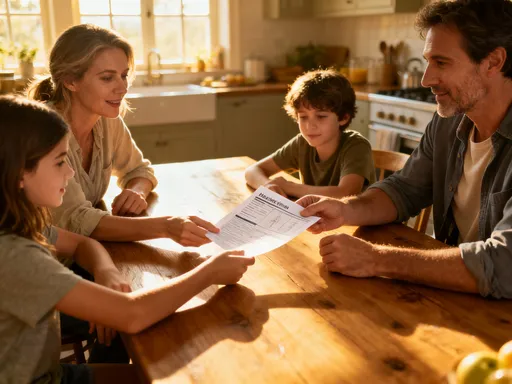
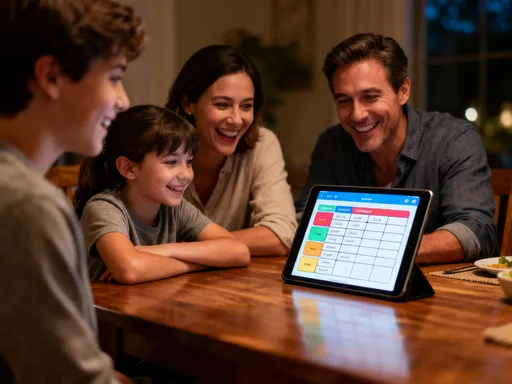
The real magic started when we turned Sunday dinner into our weekly check-in. No pressure. No grades. Just us, the food, and a quick look at the board. “Who had a good week?” I’d ask. Sometimes, someone would proudly say, “I did my walk every day!” Other times, it was more honest: “I only did two days, but I’ll try again.” And that was okay. More than okay—it was human.
One night, my teenager, who usually gives one-word answers, surprised me. “I didn’t do much,” she said, “but I liked seeing everyone else’s checkmarks. It made me want to do better.” That moment hit me deep. She wasn’t saying she succeeded. She was saying she felt connected. And that’s what we really wanted—not perfection, but presence. The board wasn’t judging her. It was inviting her back in.
Those check-ins became less about tracking and more about talking. We’d laugh about the day my husband forgot to log his walk and tried to “pretend” he did it. We’d celebrate my daughter’s first full week of water goals. We’d adjust goals that were too hard or add new ones we were excited about. It became a ritual of reflection and encouragement—a few minutes each week to reconnect and reset. And honestly, those Sunday nights became something I looked forward to. Not because of the progress, but because of the togetherness.
Why Visibility Builds Lasting Habits
I used to think habits were built through willpower. But what I’ve learned is that they’re built through visibility. When you can see your progress—even in a small way—it changes how you feel about it. You don’t need a big victory to feel motivated. Sometimes, just seeing a checkmark or a little emoji is enough to say, “I’m doing something right.”
It’s like watching a plant grow. You don’t stand over it every day demanding it to be taller. You just water it, give it light, and notice when it changes. The online whiteboard works the same way. It doesn’t force you to do anything. It just shows you what’s happening. And that gentle nudge—seeing your name, your color, your little icons—is often all it takes to keep going.
There’s real psychology behind this. Studies show that people are more likely to stick with habits when they track them visibly and when others can see their progress too. It’s called social reinforcement. When your family sees you doing well, they’re more likely to support you. And when you see them trying, it inspires you. It’s not about competition. It’s about connection. The board becomes a quiet cheerleader, always there, always noticing. It whispers, “You got this,” without saying a word.
Your Turn: Starting Small Around the Table
If you’re thinking, “This sounds nice, but I’m not tech-savvy,” I get it. I was there too. But this isn’t about being a tech expert. It’s about being a family that wants to feel closer and healthier—without the stress. You don’t need to track everything. Start with one habit. One board. One check-in.
Pick an easy-to-use online whiteboard app—many are free and work on phones and tablets. Create a simple layout with a section for each person. Let everyone pick a color. Start with one shared goal, like “We’ll all walk 10 minutes this week” or “We’ll drink one extra glass of water each day.” Keep it light. Make it fun. Let the kids add drawings. Use emojis. Celebrate small wins.
Then, pick one night—maybe Sunday dinner—to look at the board together. No pressure. No grades. Just a few minutes to share, laugh, and plan. If someone didn’t do much, that’s okay. Say, “We’ll try again.” If someone did well, celebrate it. The goal isn’t perfection. It’s showing up. It’s seeing each other. It’s building a habit of care—not just for our bodies, but for each other.
This simple tool didn’t just help us move more or drink more water. It brought us closer. It gave us a shared language for growth. It turned our dinner table from a place of forgotten promises into a space of real connection. And honestly, that’s worth more than any number of push-ups. So why not try it? Start small. Keep it simple. And let the board do the rest. Because when we can see our progress together, we’re not just building healthier habits—we’re building a happier home.