From Tossing and Turning to Truly Resting: How Real-Time Traffic Apps Quiet My Mind at Night
Ever lie in bed, exhausted, but your mind racing with tomorrow’s commute? You’re not alone. That nagging worry about traffic jams, delays, or being late can steal your sleep. I used to stare at the ceiling, imagining myself stuck on the highway, missing my daughter’s school play or arriving flustered to an important meeting. The uncertainty was exhausting—worse than the drive itself. But what if the same technology guiding your drive could also calm your mind? Real-time traffic apps, designed to keep us moving, are quietly becoming unexpected allies in the quest for better rest—by giving us control, clarity, and peace of mind before we even leave home.
The Sleepless Commuter: When Traffic Anxiety Keeps You Awake
It starts quietly. You’ve had a long day—dinner served, kids tucked in, dishes done. You finally crawl into bed, hoping for deep, uninterrupted rest. But instead of drifting off, your brain kicks into overdrive: What time should I leave tomorrow? Will the construction still be there? Did I hear about an accident on the radio this morning? Suddenly, you're mentally navigating through red lights and merging lanes, heart rate creeping up, breath shallow. This isn’t just imagination—it’s real stress, rooted in real life.
For years, I didn’t connect my poor sleep to my commute. I blamed caffeine, screen time, even parenting stress. But then I noticed a pattern: the nights before big meetings or school drop-offs, when being on time felt critical, were always the worst. I’d wake up multiple times, check the clock, and reach for my phone to open a traffic app—just to see if anything had changed since I last looked. It was compulsive. And ironic: the tool meant to help me get somewhere faster was now keeping me awake.
What I didn’t realize then was that this kind of low-grade, recurring anxiety has a name—anticipatory stress—and it’s one of the most common disruptors of sleep, especially for women juggling work, family, and responsibilities. We’re wired to plan, protect, and prepare. When we feel unprepared—even for something as routine as a drive—we tense up. Our bodies release cortisol, the alertness hormone, which is great at 9 a.m. but not so helpful at 10 p.m. The result? Tossing, turning, and a morning that starts with fatigue instead of energy.
But here’s the good news: that same stress response can be calmed—not with medication or meditation apps (though those help too), but with a simple shift in how we use everyday technology. Because when we replace uncertainty with information, our brains relax. And when our brains relax, our bodies follow.
How Real-Time Traffic Information Became My Bedtime Ritual
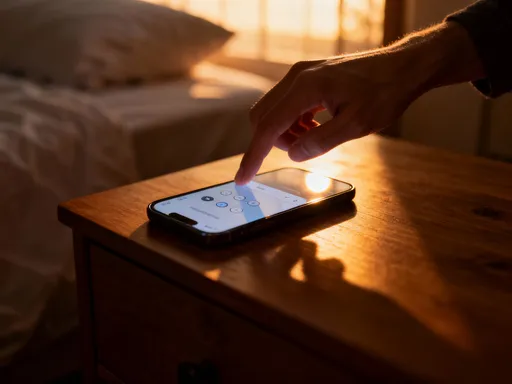
The turning point came during a particularly hectic week. My son had a doctor’s appointment at 8 a.m., I had a client call at 10, and I needed to drop off library books on the way back. The night before, I did something different: instead of checking traffic at bedtime out of anxiety, I opened my app with intention. I entered my route, looked at the forecasted travel time for 7 a.m., and saw a 12-minute delay due to roadwork. Instead of panicking, I thought, Okay, so I’ll leave at 6:48 instead of 6:40. No big deal.
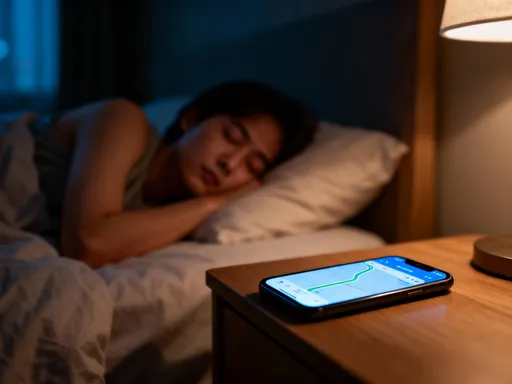
Then I set my alarm accordingly—eight minutes earlier, but with confidence, not dread. And something remarkable happened: I didn’t check the app again. I didn’t wake up wondering. I slept through the night.
That small act—planning ahead with real-time data—shifted everything. I realized I’d been using the app reactively, like a crisis tool, instead of proactively, as a planning partner. Now, checking tomorrow’s traffic has become part of my evening wind-down, right after I set the coffee maker and before I brush my teeth. It takes less than two minutes. I look at my usual routes, note any expected congestion, and decide when to leave. Sometimes there’s a detour; sometimes it’s clear sailing. Either way, I know. And that knowledge? It’s like a mental blanket.
You might think, But doesn’t looking at your phone before bed keep you awake? And you’re right—scrolling social media or answering emails can interfere with sleep. But purposeful, task-based screen use—like checking a weather forecast or setting a reminder—is different. It doesn’t stimulate the brain the same way. In fact, completing small planning tasks can reduce mental clutter, making it easier to let go. For me, this nightly traffic check isn’t screen time that disrupts sleep—it’s screen time that enables it.
The Hidden Connection: Control, Predictability, and Calm
Why does knowing your drive time help you sleep better? It’s not magic—it’s neuroscience. Our brains crave predictability. When we can anticipate what’s coming, even something as small as a 15-minute drive, we feel safer. Uncertainty, on the other hand, triggers the amygdala, the brain’s alarm center. It doesn’t matter if the threat is a tiger in the jungle or a traffic jam on Route 7—your body responds the same way: with heightened alertness.
Studies have shown that people who feel in control of their daily routines report lower stress levels and better sleep quality. It’s not about eliminating challenges—it’s about reducing the feeling of helplessness. That’s exactly what real-time traffic apps offer: a sense of agency. Instead of being at the mercy of the road, you’re one step ahead. You’re not guessing—you’re planning.
Think of it like packing your bag the night before. You wouldn’t wait until 7 a.m. to decide what to wear or whether you have your keys, right? So why leave your commute to chance? When you know there’s construction near the bridge, you can choose a different route. When you see an accident reported, you can adjust your departure time. These aren’t big decisions, but together, they build a quiet confidence that carries into bedtime.
And unlike sleep aids that mask symptoms, this approach addresses the root cause: the stress of unpredictability. You’re not numbing your mind—you’re organizing it. The app doesn’t put you to sleep; it removes one more reason you can’t fall asleep. That’s the power of tech that works with your life, not against it.
Learning the Ropes: Why These Apps Felt Tricky at First
Now, I won’t pretend it was smooth from day one. When I first started using traffic apps seriously, I felt overwhelmed. Notifications would buzz at midnight: “Accident ahead on your usual route.” My heart would jump—was I supposed to do something? Was I late? Then I’d realize it was a generic alert, not relevant to my morning. Other times, the app would suggest a “faster route” that added five minutes because it sent me through narrow neighborhood streets with stop signs every block.
And the maps—don’t get me started. At first, I’d stare at the colorful lines—green, yellow, red—and not really know what they meant. Was yellow slow, or just cautious? Why did the route change every time I refreshed? I remember one morning, I followed a detour that took me through a park I’d never seen, only to realize the app had mistaken my destination. I arrived flustered, frustrated, and vowing to go back to paper maps.
But looking back, I see those early stumbles weren’t the app’s fault—they were part of the learning curve. Any new tool takes time to master, especially one that integrates into emotional routines like sleep and morning prep. The key was not giving up, but adjusting. I started treating the app like a new kitchen gadget—something that needed setup, customization, and patience. I learned to mute certain alerts, save my frequent destinations, and trust my instincts when a suggested route felt off.
Most importantly, I stopped seeing it as a perfect oracle and started seeing it as a helpful guide—one that gives me information, but lets me make the final call. That mindset shift made all the difference.
Mastering the App: Simple Tweaks That Made All the Difference
Once I got past the initial confusion, I discovered how much control I actually had. These apps aren’t one-size-fits-all—they’re customizable, and that’s where the real benefit lies. Here’s what changed everything for me: I set up my “commute” times in the app. Now, every evening around 8 p.m., it quietly checks traffic for my usual morning routes and sends a summary—no loud alerts, just a gentle notification I can check when I’m ready.
I also saved my most common destinations: school, work, gym, grocery store. That way, I don’t have to type them in every time. And I turned off real-time alerts during nighttime hours—no more midnight buzzes about traffic I can’t do anything about. Instead, I get one morning update when I’m already awake and making coffee.
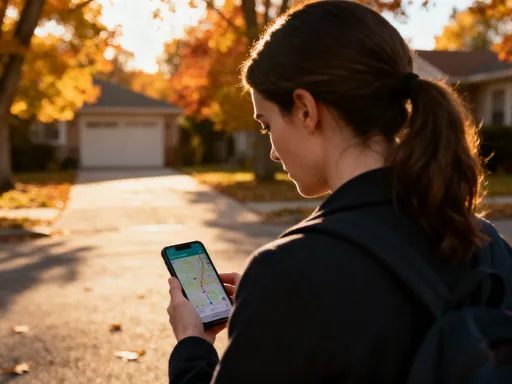
Another game-changer? Using voice-guided updates. Now, if I’m driving and the app detects a new delay, it tells me in a calm voice: “In 500 feet, turn right to avoid congestion.” No need to glance at the screen, no stress—just smooth navigation. My daughter even joked, “Mom, your car is smarter than mine.”
But the biggest shift was mental: I stopped treating the app as a source of stress and started treating it as part of my routine—like setting the thermostat or locking the doors. I’d say to myself, “Okay, traffic check done. I’m ready.” That small ritual gave me a sense of closure at the end of the day. It wasn’t just about the drive—it was about feeling organized, capable, and in charge.
More Than Just Traffic: A Ripple Effect on Daily Life
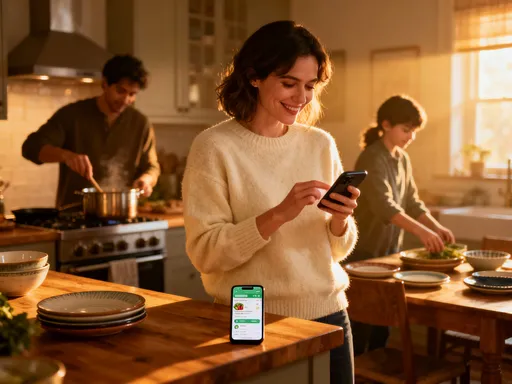
The benefits didn’t stop at better sleep. Once I started waking up calm instead of rushed, everything else improved. Mornings became quieter. I wasn’t yelling, “Hurry up!” at the kids. I had time to make pancakes instead of grabbing granola bars. I could sit with my husband over coffee and actually talk, instead of gulping it down while checking my watch.
And my mood? Noticeably better. When you’re not starting the day in survival mode, you show up differently—at work, at school events, in conversations. I was more patient, more present. My daughter said, “You seem less stressed lately.” I smiled, because she had no idea it started with a two-minute app check the night before.
Even my driving changed. Without the pressure of being late, I drove more smoothly, braked earlier, and actually enjoyed the music I played. I wasn’t just getting to places faster—I was getting there in a better state of mind. And that calm carried over into the evening, making it easier to unwind and sleep well again. It became a positive cycle: better planning led to better mornings, which led to better days, which led to better nights.
This tiny habit—using a traffic app proactively—didn’t just solve a logistical problem. It improved my mental well-being, my family dynamics, and my daily rhythm. It reminded me that small changes, when done consistently, can have outsized effects.
Rest Is Ready: Embracing Tech That Works While You Sleep
We often think of technology as something that steals our attention, disrupts our peace, or keeps us awake. And yes, some of it does. But not all tech is the same. Some tools, when used with intention, can give back time, reduce stress, and support our well-being in quiet, powerful ways. Real-time traffic apps are one of those tools. They don’t just help you avoid delays—they help you avoid dread.
For me, this journey wasn’t about becoming a tech expert. It was about reclaiming peace of mind. It was about turning a daily source of anxiety into a moment of preparation. It was about realizing that feeling in control—even in small ways—can transform how we sleep, how we wake, and how we live.
So tonight, before you turn off the light, try this: open your traffic app. Check tomorrow’s route. Adjust your alarm if you need to. Then close the app, put your phone down, and let go. You’ve done what you can. The rest—literally—is ready.
Because better sleep isn’t always about what you avoid—sometimes, it’s about what you plan for. And when technology helps you plan, it doesn’t just move you from point A to point B. It moves you from worry to calm, from rush to rhythm, from exhaustion to ease. And that? That’s the kind of tech I can get behind—one peaceful night at a time.