Saved 3 Hours a Week Helping Neighbors: How One App Gave Me Back My Time and Connection
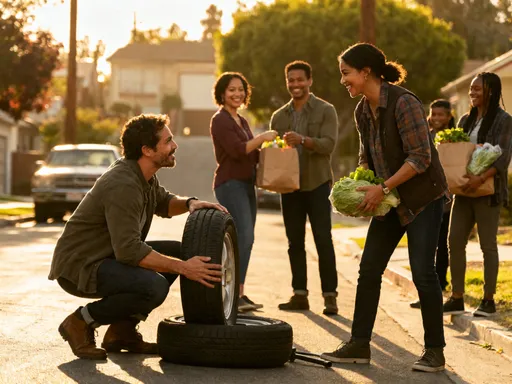
Remember the days when neighbors knew each other by name, borrowed sugar, and checked in when someone was sick? That sense of community feels rare now—but what if technology could bring it back? I didn’t think much of neighborhood apps at first, until one rainy evening when I needed help fast. My car tire was flat, my phone was dying, and I had no idea who to call. I felt completely alone, even though I lived on a busy street. Then I remembered a local app I’d downloaded months ago and never used. With one quick post, three people responded within minutes—one offered to drive over with a spare jack, another said she’d keep an eye out for my kids at the bus stop, and a third sent me a warm message: “You’re not alone.” What started as a simple request turned into something bigger: stronger connections, unexpected friendships, and even personal growth I never saw coming. That night, I didn’t just get my car fixed—I got my neighborhood back.
The Moment I Realized I Was Living Alone, Even in a Crowd
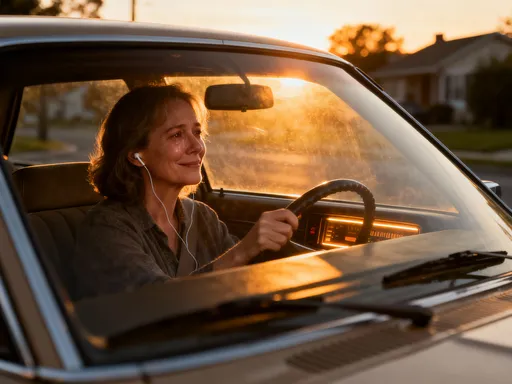
It was a Thursday evening, the kind that sneaks up on you. Work had been long, the grocery run chaotic, and the kids were arguing in the backseat. I pulled into my driveway, exhausted, only to see the flat tire. I stood there in the drizzle, staring at it, feeling heavier than the rain. I had neighbors—I saw them walking dogs, unloading trunks, waving from driveways—but I didn’t know any of them well enough to ask for help. I pulled out my phone and scrolled through contacts. My sister was out of town. My best friend lived 40 minutes away. No one nearby. That’s when it hit me: I was surrounded by people, but I had no one to turn to. And I wasn’t alone in that. So many of us live in homes packed close together, yet emotionally miles apart. We wave. We smile. But we don’t really see each other. That night, I felt the weight of that distance. I wasn’t just dealing with a flat tire—I was dealing with isolation. And I knew something had to change.
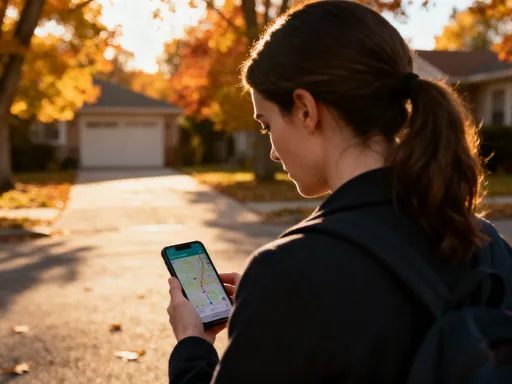
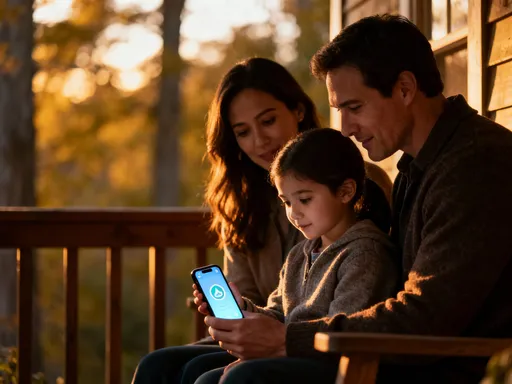
I remembered downloading a neighborhood app months earlier, maybe during a moment of optimism or curiosity. I’d glanced at it, seen a few posts about lost dogs and yard sales, and forgotten about it. But now, soaked and stressed, I opened it again. My fingers hovered over the screen. What should I say? Would anyone even respond? I took a breath and typed: “Rainy night, flat tire, no jack. Anyone nearby who might be able to help?” I hit post and waited. Within two minutes, my phone buzzed. Then again. And again. One neighbor said he had a jack and was on his way. Another offered to keep my kids inside if the rain got worse. A third just wrote, “Hang in there—help is coming.” I stood there, stunned. It wasn’t just the practical help that moved me. It was the kindness. The immediacy. The fact that people I’d never spoken to in person were stepping up, just because I asked. That night, I didn’t just fix my tire. I remembered what it felt like to belong.
How a Simple App Brought Back the “Village” We All Miss
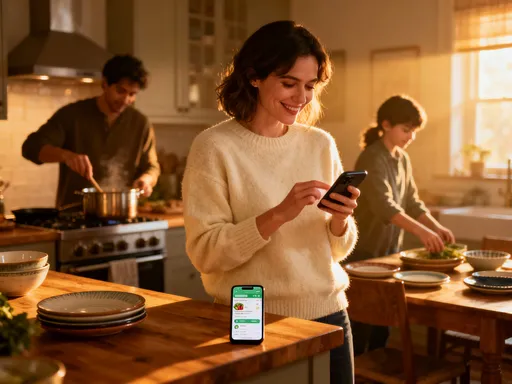
After that night, I started paying attention to the app. Not just reading, but really seeing it. I noticed how people shared—about babysitting swaps, extra zucchini from their garden, recommendations for a good plumber. It wasn’t flashy or high-tech. It was just people helping people. I began to think of it as our modern version of the village—the kind our grandparents talked about, where everyone looked out for each other. The difference? Now, we don’t have to shout across the fence or wait for Sunday church. We can send a message from our kitchen while stirring dinner, and someone answers right away.
My first real test after the tire incident was a doctor’s appointment. I needed someone to keep an eye on my dog, Bella, for an hour. I’d always relied on my sister or paid a service, but this time, I thought, Why not try the app? I wrote a short post: “Heading to the doctor tomorrow at 2 PM. Bella’s easy—just needs someone to let her out and give her a treat. Anyone around?” I expected maybe one reply, if any. But by morning, I had five offers. One neighbor even said, “I’m home all day—happy to take her for a short walk if she’d like!” I chose Maria, who lived two doors down and had posted about her own golden retriever. When I got home, Bella was curled up on Maria’s couch, looking perfectly content, with a note: “She’s sweet as pie. Let me know if you ever need help again.”
That small moment changed everything. It wasn’t just about saving $15 on a pet sitter. It was about trust. It was about knowing that someone nearby cared. And it made me wonder—what else could we do together? The app wasn’t creating something new. It was uncovering what was already there: a network of kind, capable people who just needed a way to connect. Technology didn’t replace the village. It reminded us we still had one.
Beyond Emergencies: The Quiet Ways the App Changed My Daily Life
At first, I only used the app for big things—emergencies, favors, urgent needs. But over time, I started noticing how it quietly improved my everyday routine. I stopped making extra trips to the hardware store because I could borrow a drill or a ladder from a neighbor. I saved time, yes, but I also saved mental energy. No more wondering, “Do I have that tool?” or “Should I buy this just in case?” Now, I just post: “Need a stud finder for an hour—anyone have one to lend?” And someone always does.
One summer, my tomato plants looked sad. I’d never been much of a gardener, and I was about to give up. On a whim, I posted a photo: “My tomatoes are drooping—any advice?” Within an hour, I had six responses. One neighbor suggested I might be overwatering. Another said her soil mix had saved her plants last year and offered to bring over some compost. A third invited me to her garden on Saturday morning to see how she spaced her plants. I went, took notes, and by August, I had more tomatoes than I knew what to do with. I shared them with the neighbors who helped me. That’s when it hit me: this wasn’t just about solving problems. It was about sharing life. The app made it easy to ask, easy to give, and easy to build little moments of connection into my day.
I also discovered local events I’d never have known about—like the pop-up farmers’ market in the school parking lot or the free yoga class in the park. One neighbor posted about her son’s lemonade stand benefiting a local animal shelter, so I brought the kids and we spent a sunny afternoon supporting a good cause. Another time, I saw a post about a lost cat with a photo. I’d seen her that morning near my mailbox. I responded, and within an hour, the cat was home. The owner sent me a heartfelt message and a jar of homemade jam. These weren’t grand gestures. They were small, daily acts of care that added up to something bigger: a neighborhood that felt alive, aware, and kind.
From Helper to Helper: How Giving Help Gave Me More Than I Expected
For the first few months, I was mostly on the receiving end. I asked for help, got it, and felt grateful. But then I started noticing other people’s posts—the mom who needed a ride to a job interview, the elderly neighbor looking for someone to pick up her medication, the new family trying to find a babysitter. I realized I could help too. I didn’t have to wait for a crisis. I could be the one who answered the call.
The first time I offered help, it was small. I had extra basil seedlings from my garden and posted: “Too many basil plants—happy to share with anyone who wants one!” Three neighbors responded, and I spent a sunny afternoon delivering little pots to their porches. One woman said, “I’ve never grown herbs before—this is exciting!” Her joy surprised me. I’d thought I was just giving away extras. But I was giving her a chance to try something new. That felt good.
Then I started doing more. I picked up groceries for Mrs. Thompson, who had a bad knee and didn’t like driving in the rain. I offered to walk a neighbor’s dog when she was sick. I lent my kids’ old bike helmet to a family whose son was getting his first two-wheeler. Each time, I expected to feel tired or stretched thin. But the opposite happened. I felt lighter. More connected. More useful. Helping didn’t drain me—it filled me. I began to see myself differently. I wasn’t just a busy mom or a tired worker. I was someone who could make a difference, even in small ways. And that changed how I moved through the world.
Building Confidence Through Connection: The Unexpected Personal Growth
I didn’t expect the app to change me—not really. I thought it would just make life a little easier. But over time, I noticed shifts in how I felt. I was less anxious. More confident in reaching out. More willing to say hello on the sidewalk. I even started a weekly coffee meetup for moms in the neighborhood. It began with one post: “Want to meet for coffee on Thursdays? Kids welcome!” I wasn’t sure anyone would come. But six of us showed up that first week. Now, it’s a regular thing—laughter, advice, support, all over lattes and muffins.
Before, I’d always thought of myself as shy. I’d avoid small talk, dread group events, and feel awkward at school pick-up. But the app gave me a low-pressure way to connect. I could message someone first, get to know them a little, and then say hi in person. It was like having a warm-up before the game. I wasn’t faking it. I was growing into a more social, more open version of myself. And it wasn’t just about being friendly. It was about feeling like I mattered. Like my presence made a difference.
One day, a neighbor told me, “You’ve really helped bring people together.” I almost cried. I hadn’t set out to be a community builder. I just wanted help with a flat tire. But in showing up—online and in real life—I’d become someone others could count on. That sense of purpose was something I hadn’t realized I was missing. The app didn’t give me confidence. It gave me opportunities to practice it. And each small interaction—each “Can I help?” or “Thank you!”—built a little more strength inside me.
Practical Tips for Making the Most of Your Neighborhood App
If you’re curious about trying a neighborhood app, I get it—it can feel awkward at first. You might worry about being a bother or not knowing the “rules.” I’ve learned a few things along the way that made it easier and more rewarding. First, start small. Don’t jump in with a big request. Try offering something simple: “I have extra lemons from my tree—anyone want some?” or “Happy to lend my pressure cooker.” Small offers feel safe and build trust.
When you do ask for help, be clear and warm. Instead of “Need a sitter,” try: “Looking for someone to watch my 8-year-old for two hours this Friday—happy to pay $15/hour. He’s quiet, loves board games, and just needs someone to be home while I run errands.” Specifics make it easier for people to say yes. And always thank people, even for small things. A simple “So grateful for your help today!” goes a long way.
Be responsive, but set boundaries. It’s okay to say no. One neighbor messaged me about pet-sitting every weekend. I liked helping, but it was too much. I replied: “I’d love to help, but I can only do it once a month. Let me know if that works.” She said that was perfect. Honesty keeps relationships healthy. Also, watch your tone. Text can feel cold. Add a smiley or a “Hope you’re having a good week!” to keep it warm.
And don’t forget to show up in person. When someone helps you, offer a thank-you note, a batch of cookies, or an invitation for coffee. I once brought soup to a neighbor who’d helped me during a family illness. She said it meant more than any text. The app is a tool, but the real connection happens when we step outside, wave, and say, “I see you.”
Why This Isn’t Just an App—It’s a Return to Who We’re Meant to Be
When I think about what the app has given me, it’s not just the three extra hours a week I’ve saved. It’s not just the tools I’ve borrowed or the help I’ve received. It’s the quiet return of something deeper: belonging. In a world that often feels too fast, too loud, too disconnected, this little corner of digital life has brought me back to what matters. It’s reminded me that we’re not meant to do everything alone. We’re meant to share the load, celebrate the small wins, and show up for each other.
Technology gets blamed for pulling us apart. And sometimes, it does. But used with care, it can also bring us closer. This app didn’t create community. It revealed it. It gave us a way to see each other again—not just as faces behind fences, but as neighbors with stories, strengths, and needs. It taught me that asking for help isn’t weakness. It’s courage. And offering help isn’t a burden. It’s a gift—one that gives back in ways you can’t predict.
I still wave to my neighbors now. But it’s different. I know their names. I know their dogs. I know when someone’s having a hard week. And they know me. We check in. We share. We care. That rainy night with the flat tire was a breaking point—but also a beginning. It led me to a life that feels fuller, richer, and more connected. And if you’re feeling that same ache for community, I want you to know: it’s still there. Maybe it’s just waiting for you to open an app, send a message, and say, “I could use a little help.” Because in reaching out, you might just find what you’ve been missing all along.