Remembered every road trip laugh? This driving app quietly saved my friendship memories
We’ve all had those moments—laughing with friends on a long drive, singing off-key, sharing stories under the glow of streetlights. Those memories feel vivid in the moment, but how many have we truly kept? Not just photos, but the *feeling* of connection, the spontaneity, the joy. I thought they were gone—until a smart driving app started saving more than just routes. It began capturing the little things: voices, moods, shared silences. And slowly, it helped me rediscover not just trips, but friendships. It didn’t feel like technology. It felt like someone had finally understood what really mattered on the road.
The Forgotten Soundtrack of Our Journeys
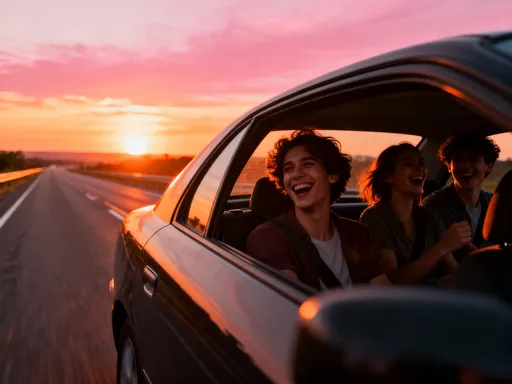
Think about your last road trip. Where did you go? What did you see? Chances are, you can recall the destination—maybe even pull up a photo or two from your phone. But what about the drive itself? Who was with you? What did you talk about? Did someone make a joke that had everyone howling? Did you pass a field of sunflowers at sunset and all fall quiet for a moment, just taking it in? These are the moments that don’t make it into albums, but they’re the ones that shape how we remember our time together.
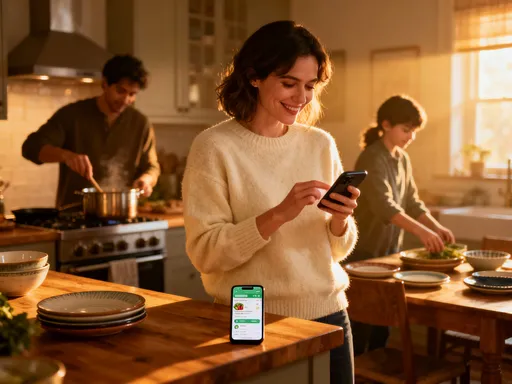
I used to think I was the only one who felt this way—like I was losing something precious every time I got out of the car. I’d come home from a weekend getaway with friends, still buzzing from the laughter, only to realize a week later that I couldn’t remember what we’d laughed about. The feeling faded fast. Photos showed us smiling, but they didn’t capture the warmth of that inside joke or the comfort of driving in silence after a long day. It wasn’t until I started using a smart driving app—originally just to avoid traffic—that I realized technology could help fill that gap.
This wasn’t about recording every word. It wasn’t about surveillance or data overload. It was about noticing. The app learned to recognize when the car was full of energy—when voices rose, when laughter spiked, when someone said, “Wait, pull over—look at that!” It didn’t save everything. But it gently flagged those moments, like a quiet reminder: This mattered. And suddenly, I wasn’t just remembering where we went. I was remembering how it felt to be there, together.
How Your Car Knows You Better Than You Think
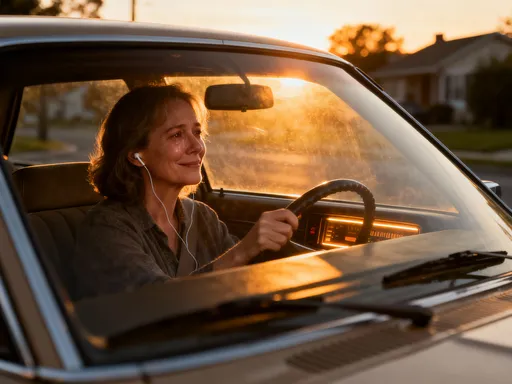
We don’t always realize how much our cars already know about us. Modern vehicles track speed, fuel efficiency, tire pressure—but they also pick up on subtle patterns in how we drive. The way you brake before a sharp turn. How you accelerate when your favorite song comes on. Whether you take the scenic route when the weather’s nice. These aren’t just habits. They’re clues.
What’s surprising is how closely driving behavior can mirror mood. When I’m stressed, I tend to brake harder and change lanes more often. When I’m relaxed—especially with friends in the car—I take smoother turns, cruise steadily, and even hum along to the music. The app I use started to recognize these shifts. It doesn’t judge. It just notices. And over time, it began to understand when a drive wasn’t just transportation—it was connection.
One evening, after a long week, I picked up two friends for a spontaneous trip to the coast. We didn’t plan much—just packed snacks, queued up an old playlist, and hit the road. The app later showed a spike in what it called “shared joy moments”—not because it recorded our conversation, but because it detected a combination of relaxed driving, frequent laughter (picked up through voice tone analysis, with permission), and unplanned stops. It wasn’t analyzing data like a robot. It was interpreting the rhythm of the ride, like a friend who knows when you’re really having fun.
The beauty of this isn’t in the technology itself, but in how quietly it works. It doesn’t demand attention. It doesn’t ask for constant updates. It simply learns the flow of your life and starts to reflect it back—not as numbers, but as meaning.
From Data to Memory: The Magic Behind the Scenes
You might be wondering: how does a car turn driving patterns into memories? It sounds like science fiction, but it’s actually built on thoughtful design and emotional awareness. The app doesn’t record full conversations or store audio clips unless you choose to. Instead, it uses short bursts of voice analysis—just enough to detect tone, volume, and energy—to identify emotional peaks. When multiple voices rise together in laughter, or when someone says something with excitement, the system logs a “memory flag.”
At the same time, it’s watching the car’s behavior. Did you slow down to take in a view? Did you make an unexpected turn toward a roadside stand? These actions, combined with vocal energy, create a kind of emotional fingerprint for the drive. Later, when you open the app, it doesn’t dump data on you. It shows a simple timeline: “Remember this moment?” with a short note like “Laughter near Lakeview Exit” or “Sunset stop—everyone was quiet.”
One day, I saw a flag from a trip six months earlier. It read: “Singing at the top of your lungs—Taylor Swift, 9:17 PM.” I hadn’t even realized the app could pick that up. But when I tapped it, a short audio snippet played—just ten seconds of us belting out “Shake It Off,” slightly off-key but full of joy. I laughed out loud. My friend texted me a minute later: “Did you just relive that too? I got the same prompt!” We ended up on the phone for an hour, remembering every ridiculous detail.
That’s the real magic—not the tech, but the way it helps us reconnect with what we already loved. It’s not replacing memory. It’s supporting it. Like a friend who says, “Hey, remember when we did that thing?” at just the right moment.
Rebuilding Friendships One Drive at a Time
Life gets busy. We make promises to stay in touch, but weeks turn into months. I lost track of a close friend for nearly two years after she moved across the state. We meant to visit. We sent the occasional text. But it wasn’t the same. Then, one evening, the app sent me a memory from a trip we’d taken together—just the two of us, driving to a music festival. The prompt said: “You both said this was your favorite weekend in years.”
I listened to the short clip: us laughing about a wrong turn that led to a tiny diner with the best pie we’d ever tasted. I could hear the warmth in our voices, the ease between us. I sent it to her with one word: “Pie?” She called me within minutes. We talked for over an hour. Not about the past, but about now—our jobs, our kids, what we’d been missing. Two weeks later, she visited. We took a long drive, just like old times. And yes, we found another roadside diner.
This isn’t just about nostalgia. It’s about reconnection. The app didn’t create our friendship. But it reminded us of its value. It gave us a starting point—a shared moment we could both feel, not just remember. For others, it’s sparked deeper conversations. One user told me she replayed a quiet moment from a drive with her sister after their mom passed. “We were talking about childhood memories,” she said. “I’d forgotten how much comfort I felt just being in the car with her. That prompt brought it back. We’ve talked more in the past month than in the past year.”
Technology often gets blamed for pulling us apart. But when it’s designed with care, it can do the opposite. It can help us hold on to what matters—not by replacing human connection, but by helping us rediscover it.
Making New Friends, One Road at a Time
It’s not just about reconnecting with old friends. This kind of technology is also helping people make new ones. Car-sharing and group travel apps are now using driving behavior and personality insights to match compatible riders. Imagine commuting to work and being paired not just by location, but by vibe. Do you prefer quiet drives with soft music? Or do you love spontaneous conversations and singalongs?
One app I’ve tried uses a simple quiz and driving history to suggest compatible passengers. It looks at things like driving style—smooth and steady versus more energetic—and preferred in-car atmosphere. I was matched with a woman named Sarah who, like me, enjoys podcasts and occasional silence. We started sharing rides to a weekend market. At first, we just said hello. But after a few trips, we began talking—about books, about our families, about how nice it felt to have a calm, friendly commute.
Then the app flagged a moment from one of our drives: “You both laughed at the same joke in the podcast.” It sounds small, but it gave us something to talk about. “Did you hear that?” I asked. “I can’t believe we reacted at the same time!” That tiny shared moment broke the ice. Now, we’re planning a road trip together.
Other users have found travel buddies for cross-country trips, matched by similar driving personalities and shared interests. One man told me he was nervous about long drives alone. After using the matching feature, he’s made three close friends—people he now calls “my road family.” It turns out that the way we drive says a lot about how we live. And when we’re paired with people who move through the world in a similar rhythm, connection happens naturally.
Your Driving Diary: A New Kind of Self-Discovery
While the friendships are beautiful, one of the most unexpected gifts of this app has been how it’s helped me see myself more clearly. I started using it during a tough time—after a divorce, when I was rebuilding my routine. At first, I just wanted help with navigation and traffic. But over time, I began to notice patterns in my own behavior.
Early on, the app flagged a lot of “tense driving” moments—sharp braking, high speeds, frequent route changes. I didn’t realize how anxious I felt behind the wheel. But as months passed, the tone shifted. More “calm cruise” tags. More laughter. More unplanned stops for coffee or flower stands. I was healing, and the car was quietly bearing witness.
One day, I played back a clip from a solo drive I’d taken a year earlier. I was singing along to a song I’d always loved, but my voice was quiet, hesitant. Then I listened to a recent one—same song, same road, but this time I was belting it out, windows down, smiling. The difference wasn’t just in the sound. It was in the feeling. The app didn’t tell me I was happier. It just showed me the evidence.
For many users, this becomes a kind of emotional journal. A mother of three told me she uses it to track moments of joy amid the chaos of daily life. “When I’m overwhelmed, I look back at the clips from our family drives. I hear my kids laughing, my husband making silly voices. It reminds me that we’re building something good, even on the hard days.” It’s not about perfection. It’s about presence. And sometimes, it takes a little help to see how far we’ve come.
Technology That Cares, Without Overstepping
I know what you might be thinking: Isn’t this just another way for technology to watch us? And I get it. Privacy matters—especially when it comes to our emotions, our voices, our quiet moments. That’s why the apps I recommend are built on opt-in design. You choose what to share. You control what’s saved. Most of the processing happens locally on your phone or car system—no uploading, no cloud storage unless you want it.
The goal isn’t constant tracking. It’s gentle support. Think of it like a co-pilot who only speaks up when something beautiful happens. It doesn’t need to record everything to be meaningful. A ten-second clip of laughter. A note about a sunset stop. A reminder that you once said, “This is the best day in a long time.”
And the technology is designed to respect boundaries. Voice analysis doesn’t capture words—just tone and energy. No transcription. No storage of private conversations. You can disable features at any time. This isn’t about surveillance. It’s about intentionality. It’s about using smart tools to help us pay attention to what really matters—each other, ourselves, the fleeting, beautiful moments that make life rich.
We don’t need more distractions. We need more connection. And sometimes, the most human thing a piece of technology can do is help us remember how to feel.