How I Found Real Healing Through Qigong—Fast and Naturally
I used to think recovery had to be slow, painful, and full of pills—until I tried qigong. In just weeks, my energy improved, my pain eased, and my mind felt clearer. This ancient Chinese practice isn’t magic, but it works. If you're tired of waiting for results, this might be the shift you’ve been looking for. Let’s talk about real healing that moves at your pace. Many women in their 30s, 40s, and 50s face similar struggles—chronic fatigue, lingering discomfort, and the mental fog that makes daily life feel heavier than it should. The search for relief often leads down a path of prescriptions, specialist visits, and temporary fixes. But what if healing could come not from more medication, but from a quieter, gentler approach? Qigong offers a natural alternative that works with the body’s own rhythms, and for many, it brings noticeable changes faster than expected.
The Breaking Point: When Conventional Recovery Failed Me
For over two years, I struggled with persistent fatigue, low back discomfort, and a constant sense of mental exhaustion. I saw doctors, followed treatment plans, and took recommended supplements, yet progress was painfully slow. Each morning felt like starting from zero. Simple tasks—preparing breakfast, walking the dog, even standing at the sink—left me drained. I wasn’t seriously ill, but I wasn’t truly well either. The phrase “you’re just getting older” became a frustrating refrain, one that dismissed real symptoms with a shrug. I began to wonder: was this just how life would feel from now on?
My turning point came after a minor injury turned into prolonged stiffness and disrupted sleep. Physical therapy helped, but only slightly. Pain relievers dulled the edge but didn’t address the root. I wanted more than symptom management—I wanted to feel like myself again. That’s when I started questioning the assumption that healing must be slow and externally driven. What if the body already had the tools to restore balance, and I simply wasn’t using them? This realization opened the door to exploring complementary practices, especially those focused on energy, movement, and mindfulness. Among them, qigong stood out not for its promises of miracles, but for its simplicity and deep roots in holistic health.
At that stage, my goal wasn’t to reject modern medicine, but to find something that worked alongside it. I needed a method that was accessible, sustainable, and gentle enough to practice daily without strain. Most importantly, I wanted something that addressed not just physical symptoms, but the underlying stress and imbalance that seemed to be fueling them. That search led me to qigong—a practice I once dismissed as too subtle to make a real difference.
Discovering Qigong: More Than Just “Weird Breathing”
My first impression of qigong was skepticism. Videos showed people standing still or moving slowly with their arms floating in the air. It looked too simple—almost passive. How could such gentle motions produce real change? I associated it with “alternative” wellness trends that lacked scientific backing. But as I dug deeper, I learned that qigong is a foundational practice in Traditional Chinese Medicine (TCM), with a history spanning thousands of years. It is not random movement or mystical breathing—it is a structured system designed to cultivate and balance qi, the vital energy believed to flow through all living things.
In practical terms, qigong combines three core elements: mindful movement, coordinated breathing, and focused intention. Unlike high-intensity exercise, it doesn’t rely on force or speed. Instead, it emphasizes fluidity, awareness, and relaxation. The goal is not to exhaust the body, but to awaken its self-regulating capacities. Research has shown that practices like qigong can influence the autonomic nervous system, reduce inflammation, and improve cardiovascular function. These are not abstract concepts—they are measurable outcomes that support real healing.
One of the biggest misconceptions about qigong is that it’s purely spiritual or religious. In reality, it is a secular practice that can be approached from a purely physiological or psychological perspective. You don’t need to believe in energy channels or ancient philosophies to benefit. What matters is consistency and attention. Over time, I realized that qigong wasn’t about believing in something unseen—it was about experiencing subtle shifts in how I felt: a calmer mind, looser muscles, and a greater sense of presence. These changes were real, even if they didn’t show up on a lab test.
Why Qigong Works Fast: The Science Behind the Stillness
One of the most surprising aspects of qigong is how quickly benefits can appear. Many people report improved sleep, reduced tension, and increased mental clarity within days. This speed isn’t due to intensity—it comes from alignment. When we practice qigong, we activate the parasympathetic nervous system, the branch of the nervous system responsible for rest, digestion, and repair. In contrast, modern life often keeps us stuck in “fight or flight” mode, which depletes energy and slows healing. Qigong gently signals the body that it is safe to relax, allowing natural recovery processes to engage.
Studies have demonstrated that regular qigong practice leads to measurable improvements in stress markers. For example, research published in the Journal of Psychosomatic Research found that participants who practiced qigong for eight weeks showed significant reductions in cortisol, the primary stress hormone. Other studies have linked qigong to improved immune function, better blood circulation, and decreased markers of inflammation—key factors in chronic pain and fatigue. These changes don’t require hours of practice; even ten to fifteen minutes a day can make a difference.
Another reason qigong works quickly is its low barrier to entry. Unlike rigorous exercise programs that may be difficult for those with physical limitations, qigong is adaptable. Movements can be performed standing, seated, or even lying down. There is no need for special equipment or a gym membership. Because it’s so gentle, it doesn’t cause further strain, making it ideal for people recovering from illness or managing chronic conditions. The combination of accessibility, physiological impact, and mental focus creates a powerful foundation for healing—one that builds momentum over time.
My 3-Step Qigong Routine That Made a Difference
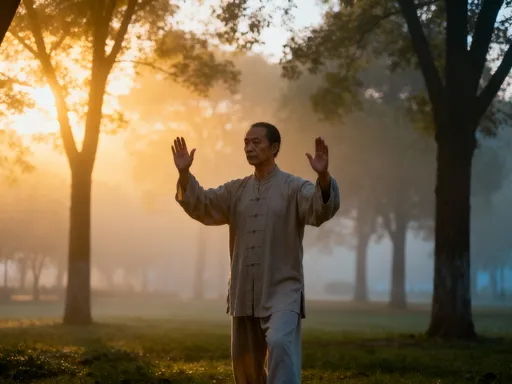
After experimenting with different forms, I settled on a simple three-part routine that I could practice daily without feeling overwhelmed. This structure gave me consistency and allowed me to track subtle changes. The first step is Zhan Zhuang, or “standing like a tree.” For ten minutes each morning, I stand with feet shoulder-width apart, knees slightly bent, arms rounded as if hugging a large ball. The posture is relaxed but aligned. I focus on slow, deep breathing and the sensation of grounding through my feet. This practice builds stability, improves posture, and calms the nervous system before the day begins.
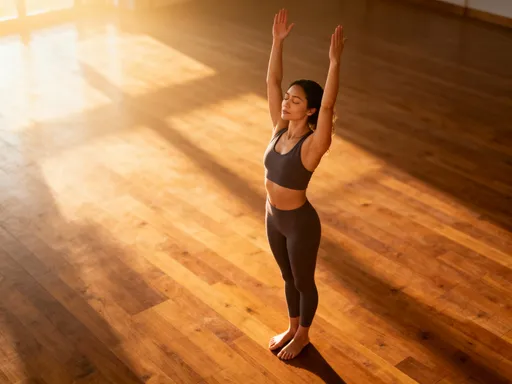
The second part of my routine is Ba Duan Jin, also known as the “Eight Brocades.” This is a series of eight gentle movements that stretch and strengthen the body while coordinating breath and attention. I perform four of the eight movements each day, rotating them to keep the practice fresh. One of my favorites is “Separating Heaven and Earth,” where one hand rises slowly above the head while the other sinks toward the ground. This motion helps open the torso, improve spinal alignment, and enhance energy flow. Each movement takes about one to two minutes, and I repeat each three times. The full sequence takes about twelve minutes and leaves me feeling both energized and centered.
The third step is an evening wind-down meditation. I sit comfortably or lie down and practice abdominal breathing—inhaling deeply through the nose, allowing the belly to rise, and exhaling slowly through the mouth. I pair this with a simple mental scan, bringing awareness to each part of the body from head to toe. This practice helps release residual tension and prepares the body for restful sleep. On nights I skip it, I notice I’m more restless. Together, these three practices form a balanced daily rhythm: grounding in the morning, activating during the day, and releasing in the evening. They don’t take much time, but their cumulative effect is profound.
Real Results in Real Time: What Changed in 14 Days
Within two weeks of starting my qigong routine, I noticed changes that surprised me. The most immediate was better sleep. I fell asleep faster and woke up feeling more refreshed. My mind felt clearer in the mornings—less foggy, more focused. I also observed a reduction in lower back stiffness, especially when getting out of bed. These weren’t dramatic shifts, but they were consistent and unmistakable. Small improvements built upon each other, creating a sense of forward motion that I hadn’t felt in years.
By day ten, my energy levels had noticeably increased. I no longer needed an afternoon nap, and I had more stamina for household tasks and walks. My mood improved as well—I felt less reactive to daily stressors and more patient with family and routines. I didn’t feel “cured,” but I felt capable again. This shift in self-perception was perhaps the most valuable outcome. Healing isn’t just about symptom reduction—it’s about reclaiming a sense of agency and well-being.
It’s important to note that results vary from person to person. Some may feel changes more quickly; others may take longer. Factors like age, existing health conditions, and consistency of practice all play a role. But the key insight is that qigong doesn’t require perfection. Even on days when I felt distracted or only managed five minutes, I still benefited. The practice is cumulative, like saving small amounts of money that grow over time. The more I showed up, the more my body responded. This wasn’t a quick fix—it was the beginning of a sustainable healing process.
Common Mistakes (and How to Avoid Them)
When starting qigong, it’s easy to fall into certain traps that can slow progress or lead to frustration. One of the most common mistakes is trying to do too much too soon. Some beginners jump into complex forms or long sessions, hoping for faster results. But qigong is not about quantity—it’s about quality. Overdoing it can lead to mental fatigue or physical strain, defeating the purpose of the practice. The best approach is to start small: five to ten minutes a day is enough to begin building the habit.
Another mistake is expecting immediate, dramatic changes. While some benefits appear quickly, others unfold gradually. Impatience can lead to discouragement, especially if you’re comparing your progress to others. Remember that healing is not linear. Some days will feel better than others, and that’s normal. The goal is consistency, not perfection. Celebrate small wins—better sleep, a calmer mind, a moment of presence—and let them motivate you to continue.
Finally, many people rely solely on online videos without guidance on proper form. While free resources can be helpful, they may not address individual needs or correct subtle misalignments. If possible, seek out a qualified instructor, even for just one or two sessions, to ensure you’re practicing safely and effectively. Misaligned posture or forced breathing can reduce benefits or cause discomfort. Learning the basics correctly sets the foundation for long-term success. With the right approach, qigong becomes not just a practice, but a reliable tool for daily well-being.
Making Qigong Work for Modern Life
One of the greatest strengths of qigong is its adaptability to busy schedules. You don’t need special clothing, equipment, or a lot of time. I’ve learned to weave it into my daily rhythm in simple ways. For example, I practice my standing meditation while waiting for the kettle to boil in the morning. I do a few Ba Duan Jin movements during work breaks or after folding laundry. These micro-sessions add up and keep the practice integrated into real life.
Pairing qigong with other healthy habits enhances its effects. I’ve noticed that when I drink enough water and take short walks during the day, my qigong sessions feel more effective. Movement, hydration, and mindful breathing work together to support overall vitality. I also avoid practicing right after heavy meals or when overly stressed, as this can make it harder to focus. Instead, I choose moments when I can be present, even if only for a few minutes.
It’s essential to remember that qigong complements, rather than replaces, professional medical care. I continue to see my doctor and follow medical advice when needed. Qigong is not a substitute for treatment, but a valuable addition to a holistic wellness plan. For women managing family, work, and personal health, it offers a way to care for themselves without adding more stress. By making it a regular part of life, it becomes less of a “routine” and more of a natural way of being—gentle, intentional, and deeply restorative.
Qigong didn’t cure me overnight—but it gave me something better: momentum. By working *with* my body instead of against it, I found a faster path to feeling whole again. This isn’t about rejecting modern medicine; it’s about adding a powerful tool to your wellness kit. If you’re ready to heal smarter, not harder, give qigong a real try. Your body already knows how to recover—you just need to listen.