Glow Up from Within: How Stress Relief Transforms Your Skin
Stress doesn’t just weigh on your mind—it shows up on your face. Breakouts, dullness, and premature aging often trace back to unresolved tension. What if the secret to radiant skin isn’t another serum, but calming your nervous system? Research increasingly shows that emotional and psychological stress directly impacts the skin’s appearance and resilience. When cortisol levels rise, inflammation follows, weakening the skin’s protective barrier and accelerating visible signs of aging. Many women in their 30s to 50s notice flare-ups during busy seasons of life—juggling family, work, and personal responsibilities—only to wonder why skincare products stop working. The truth is, glowing skin isn’t solely about what you apply. It’s deeply connected to how you feel. This article explores science-backed, practical ways to reduce stress and, in turn, support clearer, healthier skin from within.
The Skin-Stress Connection: Why Your Face Reflects Your Nerves
The relationship between stress and skin health is not imagined—it is biologically grounded. When the body perceives stress, whether from work pressure, sleep disruption, or emotional strain, it activates the hypothalamic-pituitary-adrenal (HPA) axis. This triggers the release of cortisol, often called the “stress hormone.” Elevated cortisol levels over time can lead to systemic inflammation, a known contributor to numerous skin conditions. Studies have shown that chronic stress compromises the skin’s barrier function, reducing its ability to retain moisture and defend against environmental aggressors like pollution and UV exposure.
This biological cascade explains why many women experience breakouts before big events or notice increased redness during prolonged stressful periods. Acne, rosacea, eczema, and even psoriasis can worsen under emotional strain. For example, cortisol stimulates sebaceous glands to produce more oil, which can clog pores and lead to blemishes. At the same time, stress reduces the skin’s capacity to repair itself overnight, slowing down cell turnover and leading to a dull, tired complexion. The face, being highly vascular and sensitive, often becomes the first place these internal imbalances appear.
Recognizing this connection shifts the skincare conversation from purely topical solutions to a more holistic view. Treating the skin effectively may require addressing internal triggers. Women who have struggled with persistent skin concerns despite using high-end products often find improvement only when they begin managing daily stressors. This is not to dismiss the value of cleansers or moisturizers, but to emphasize that lasting radiance depends on more than surface-level care. Supporting the body’s stress response—through rest, movement, and mental practices—can create a foundation for skin that looks and feels healthier over time.
Breathe Before You Treat: How Breathwork Boosts Skin Repair
One of the most immediate and accessible ways to interrupt the stress-skin cycle is through intentional breathing. Breathwork activates the parasympathetic nervous system, the body’s “rest and digest” mode, which counteracts the fight-or-flight response driven by stress. When this system is engaged, heart rate slows, blood pressure decreases, and cortisol levels begin to drop. These physiological changes create a favorable internal environment for skin repair and regeneration.
Several evidence-based breathing techniques have been shown to reduce perceived stress and improve autonomic balance. Diaphragmatic breathing, also known as belly breathing, involves slow, deep inhalations that expand the lower abdomen rather than the chest. This technique increases oxygen delivery to tissues, including the skin, and supports detoxification processes. Practicing it for just five minutes daily can lead to noticeable reductions in facial tension and redness over time.
Another effective method is box breathing, a pattern used by healthcare professionals and mindfulness practitioners. It involves inhaling for four counts, holding the breath for four, exhaling for four, and holding again for four before repeating. This rhythmic pattern helps regulate the nervous system and can be done discreetly during a morning routine or before bed. The 4-7-8 technique—inhaling for four seconds, holding for seven, and exhaling slowly for eight—has also been linked to improved sleep onset and reduced anxiety, both of which benefit skin health.
Integrating breathwork into existing habits enhances consistency. For instance, pairing deep breathing with a morning skincare ritual—such as while applying moisturizer—creates a calming sensory experience. The combination of gentle touch, soothing scent, and rhythmic breath signals safety to the body, reducing inflammation at a cellular level. Over weeks, many women report not only clearer skin but also a greater sense of emotional balance. Breath, though simple, becomes a powerful tool in the pursuit of lasting radiance.
Move to Glow: Gentle Movement That Soothes Skin and Mind
Physical activity is a well-documented modulator of stress and a supporter of skin vitality. Exercise helps regulate cortisol, reduces systemic inflammation, and enhances circulation—all of which contribute to a healthier complexion. However, the goal is not intense workouts that may increase oxidative stress, but rather consistent, low-impact movement that nurtures both body and mind. For women managing busy households and careers, even 10 to 15 minutes of daily movement can yield visible benefits.
Walking, particularly in natural settings, has been shown to lower cortisol and improve mood. Known as “green exercise,” this practice combines physical activity with exposure to nature, which further reduces psychological stress. Improved blood flow from walking delivers oxygen and nutrients to skin cells, promoting a natural glow. Additionally, movement supports lymphatic drainage, a crucial process for removing metabolic waste and reducing puffiness, especially around the eyes and jawline.
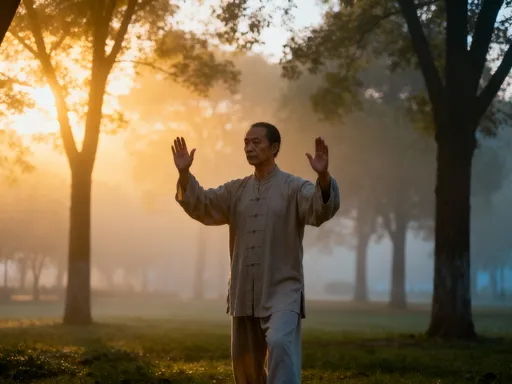
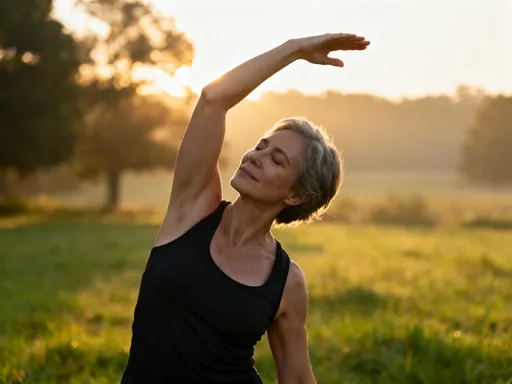
Yoga and stretching are equally valuable. These practices combine physical postures with breath awareness, enhancing mind-body connection and reducing muscle tension. Certain poses, such as forward folds and gentle twists, stimulate circulation and support detoxification. Unlike high-intensity regimens, yoga does not place excessive strain on the body, making it ideal for long-term skin and emotional health. Regular practitioners often notice fewer breakouts, reduced facial tightness, and improved sleep—all factors that reflect in the skin.
The key is consistency, not duration or intensity. A short evening stretch routine or a midday walk around the block can become anchors of calm in a hectic schedule. Over time, these small actions accumulate, supporting hormonal balance and reducing the internal triggers of skin flare-ups. Movement, when approached with kindness rather than punishment, becomes a form of self-care that radiates outward.
Sleep Your Way to Clearer Skin: The Nightly Reset Your Face Needs
Sleep is one of the most powerful yet underutilized tools for skin recovery. During deep sleep, the body enters repair mode: cell turnover increases, collagen production peaks, and inflammation is regulated. Melatonin, the hormone that regulates sleep-wake cycles, also acts as a potent antioxidant, protecting skin cells from oxidative damage. When sleep is disrupted or insufficient, these restorative processes are impaired, leading to visible consequences like dark circles, fine lines, and uneven texture.
Chronic sleep deprivation elevates cortisol, creating a double burden on the skin. High cortisol not only increases oil production and inflammation but also breaks down collagen, accelerating signs of aging. Women who regularly sleep less than seven hours per night often report increased sensitivity, slower healing of blemishes, and a lackluster complexion. The phrase “I look tired” is not just emotional—it is a reflection of real physiological changes.
Improving sleep hygiene can significantly enhance skin health. Creating a cool, dark, and quiet sleeping environment supports uninterrupted rest. Limiting screen exposure one hour before bed helps maintain natural melatonin release, as blue light suppresses this hormone. Establishing a consistent bedtime, even on weekends, reinforces the body’s internal clock and improves sleep quality over time.
Additional practices, such as drinking herbal tea (like chamomile or passionflower), using calming essential oils (if non-irritating), or engaging in light reading, signal to the body that it is time to wind down. These rituals, when repeated nightly, condition the nervous system to transition smoothly into rest. Over weeks, better sleep often leads to reduced puffiness, improved elasticity, and a more even skin tone. The nightly reset is not a luxury—it is a foundational act of skincare that works while you rest.
Mindful Moments: Small Mental Shifts with Big Skin Payoffs
Mental habits shape physical outcomes, including skin health. Chronic rumination—repetitive, negative thinking—keeps the body in a low-grade stress state, perpetuating inflammation and delaying healing. Mindfulness, the practice of paying attention to the present moment without judgment, has been shown in clinical studies to reduce markers of inflammation and improve emotional regulation. Even brief daily practices can interrupt the stress-skin cycle and support long-term radiance.
Gratitude journaling is one accessible entry point. Taking two to three minutes each morning or evening to write down three things you are grateful for shifts focus away from stressors and activates positive neural pathways. Research suggests this simple habit can lower cortisol and improve overall well-being, with downstream benefits for skin clarity and resilience.
Sensory check-ins are another effective technique. Pausing during the day to notice what you see, hear, feel, or smell grounds the mind in the present. For example, feeling the warmth of a teacup, listening to birdsong, or noticing the texture of fabric can break the cycle of anxious thoughts. These micro-moments of presence reduce mental clutter and signal safety to the body, supporting a calmer physiological state.
Digital detox windows—designated times without screens—also contribute to mental and skin health. Constant notifications and information overload keep the nervous system activated, increasing stress hormones. Setting boundaries, such as no phones during meals or one hour before bed, creates space for mental recovery. Women who adopt these small shifts often report not only improved mood but also fewer skin flare-ups. Mindfulness does not require meditation cushions or long retreats; it thrives in everyday moments, quietly transforming both mind and skin.
Skincare as Self-Care: Turning Routines into Calming Rituals
The act of caring for your skin can be more than a chore—it can become a daily ritual of nourishment and presence. When performed with intention, cleansing, toning, and moisturizing offer a pause in the day, a chance to reconnect with yourself. This shift in mindset—from rushing through steps to savoring them—can reduce stress and enhance the experience of self-care.
Using calming scents, such as lavender or chamomile, can support relaxation, provided they do not irritate sensitive skin. Applying products with gentle, upward motions not only promotes circulation but also mimics the soothing effect of a facial massage. Focusing on the breath during each step—inhaling as you apply serum, exhaling as you press in moisturizer—anchors attention and reduces mental distraction.
Lighting a candle, playing soft music, or simply turning off overhead lights can elevate the experience. These sensory cues signal to the brain that this time is for restoration, not efficiency. Over time, the routine becomes associated with calm, making it easier to access that state even on stressful days.
The psychological benefit of this practice extends beyond the skin’s surface. Women who view skincare as a form of self-respect often report greater confidence and emotional balance. The ritual becomes a daily promise to oneself: “I am worth this time.” And as stress decreases, the skin responds—often becoming clearer, softer, and more resilient. True beauty care is not about perfection; it is about presence.
When to Seek Support: Knowing the Limits of Lifestyle Changes
While stress management can significantly improve skin health, it is not a substitute for medical care. Some conditions, such as persistent acne, rosacea, or autoimmune-related skin disorders, require diagnosis and treatment from a licensed dermatologist. Lifestyle changes can support healing, but they should complement—not replace—professional guidance.
It is important to recognize when self-care efforts are not enough. If breakouts continue despite improved sleep, diet, and stress reduction, or if skin becomes increasingly sensitive or painful, seeking expert evaluation is essential. A dermatologist can identify underlying causes, recommend appropriate treatments, and rule out conditions that may mimic stress-related flare-ups.
Similarly, if emotional stress feels overwhelming or unmanageable, mental health support is a vital step. Chronic anxiety, low mood, or difficulty coping may benefit from counseling or therapy. These resources are not signs of weakness but acts of strength and self-awareness. Addressing emotional well-being supports not only mental health but also physical appearance, including skin vitality.
Self-care is most effective when it is part of a balanced approach. Women who combine healthy habits with professional support often experience the best outcomes. There is no shame in asking for help—only wisdom in knowing when to do so. True radiance comes from honoring both body and mind with compassion and care.
Radiance Begins with Calm
True skin health begins long before the mirror. While serums and moisturizers play a role, the foundation of glowing skin lies in how we manage our inner world. Stress, when left unaddressed, manifests visibly—through breakouts, dullness, and premature aging. But when we support our nervous system through breath, movement, rest, and mindfulness, we create the conditions for lasting radiance.
The practices outlined in this article are not quick fixes but sustainable habits. They do not require expensive products or drastic changes. Instead, they invite small, consistent actions—five minutes of breathing, a short walk, a mindful moment—that accumulate into meaningful transformation. Over time, many women find that their skin becomes more balanced, resilient, and luminous, not because they added more to their routine, but because they learned to calm the system beneath.
Glowing skin is not just a reflection of good genetics or skincare products. It is a sign of inner harmony. By prioritizing peace over perfection, presence over pressure, and self-care over self-criticism, women can nurture a radiance that comes from within. Start small. Stay consistent. Let your calm become your most powerful skincare ingredient.